What Happens to a House When a Parent Passes Away in Florida? | Florida Probate Guide (2026)
Losing a parent changes everything.
One day you're making funeral arrangements, notifying family and friends, and trying to process a loss that doesn't quite feel real. Then, almost overnight, you're expected to make decisions about bank accounts, legal paperwork, and the family home.
If you're reading this, there's a good chance you're carrying more than you ever expected to.
First, we're truly sorry for your loss.
Over the years, we've had the honor of helping hundreds of South Florida families through this exact situation. We've sat at kitchen tables where emotions ran high, siblings weren't always on the same page, and no one really knew what came next.
The good news is this: you don't have to figure everything out today.
And thanks to an important change in Florida law that took effect onJuly 1, 2026, many families now have a much easier path through probate than they did just a year ago.
The Biggest Probate Change Florida Families Need to Know
Florida recently increased the limit for Summary Administration—the simplified version of probate—from $75,000 to $150,000.
That may not sound like a big deal at first, but for many families, it can save months of time, thousands of dollars, and a great deal of stress.
Here's something many people don't realize:
A parent's primary residence often qualifies as Florida homestead property, which generally isn't counted toward that $150,000 limit when determining eligibility for Summary Administration.
In other words, even if Mom or Dad owned a home worth several hundred thousand dollars—or even more—the estate may still qualify for the faster probate process if the remaining probate assets fall within the guidelines.
Every estate is different, which is why we always recommend speaking with a qualified Florida probate attorney before making decisions.
What Happens First?
One of the questions we hear most often is:
"What am I supposed to do first?"
It's a fair question because no one teaches us how to handle something like this.
Here's where we usually tell families to begin.
1. Take Care of the Home

Before worrying about selling the property, make sure it's protected.
If the home will be vacant:
Secure the doors and windows.
Consider changing the locks.
Forward the mail.
Notify the homeowner's insurance company, since many policies have restrictions on vacant homes.
These simple steps can prevent much bigger problems later.
2. Locate the Will
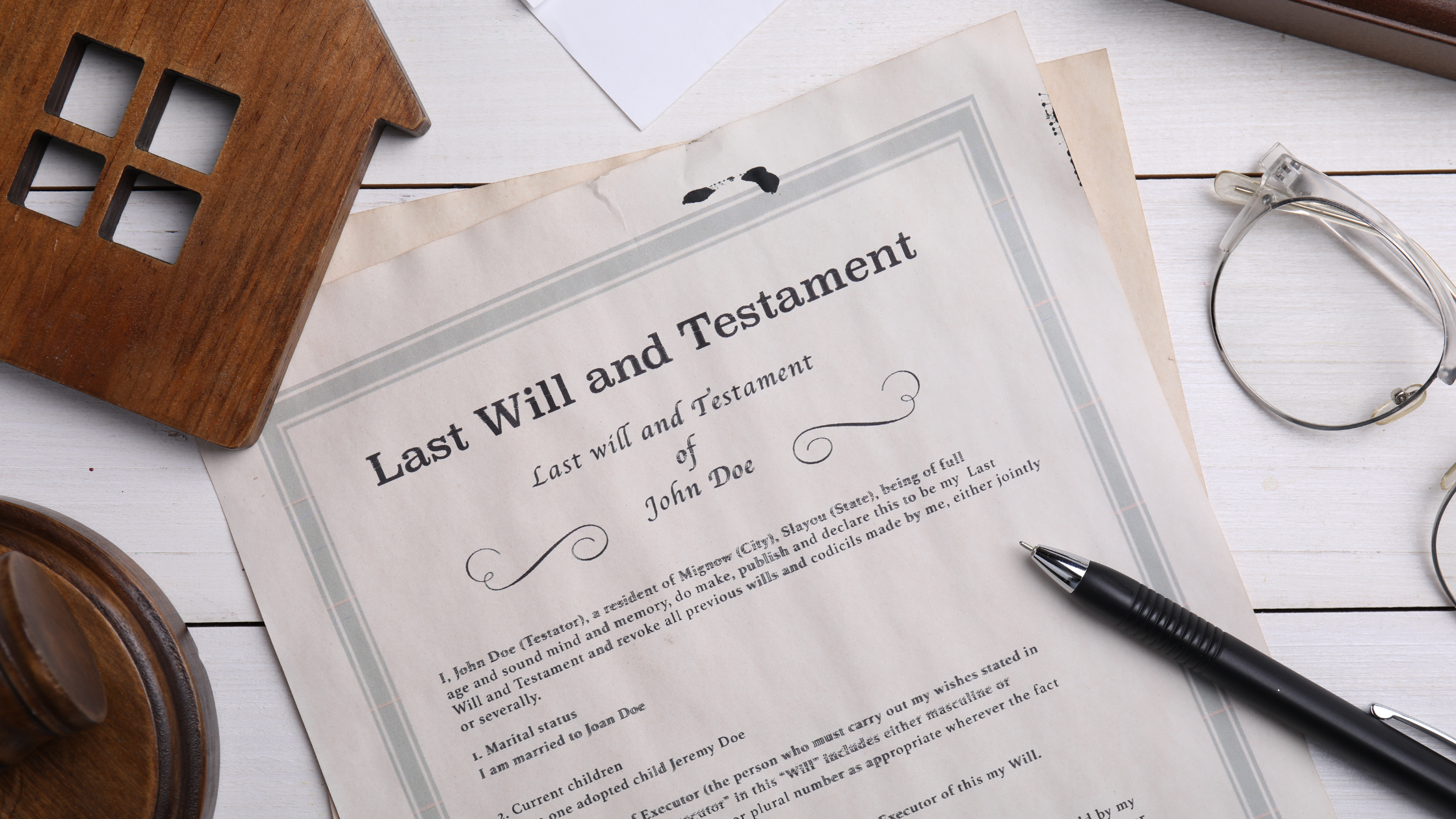
If your parent left a will, Florida law generally requires the person holding the original will to file it with the Clerk of Court within ten days after learning of the death.
If you can't find a will, don't panic. Many estates are successfully handled even when no will exists.
3. Determine Which Probate Process Applies

Most estates fall into one of three categories.
Disposition Without Administration
This is available only in limited situations involving very small estates and certain qualifying assets.
Summary Administration
This is the simplified probate process available when the estate qualifies under Florida law, including many estates with non-exempt assets valued under $150,000 or when the person has been deceased for more than two years.
Formal Administration
This is the traditional probate process used for larger or more complex estates and when a personal representative needs to be appointed.
A probate attorney can quickly determine which option applies to your family's situation.
Can the House Be Sold During Probate?
This is probably the question we're asked more than any other.
The answer is:
Usually yes—but timing matters.
In many cases, the home can be prepared for sale and even placed under contract while probate is moving forward. However, closing generally cannot take place until the proper legal authority has been granted by the court or title has legally transferred to the heirs.
That's one reason we work closely with probate attorneys throughout the process, helping families prepare everything so there are fewer delays once the legal requirements have been satisfied.
Understanding Creditors
Another common concern is whether children become responsible for a parent's debts.
In most situations, the answer is no.
Creditors are paid by the estate—not by the children personally.
Florida probate law also provides creditors with a limited period to file valid claims against the estate. Once that process has been completed, the estate can generally move toward final distribution.
One Tax Benefit Many Families Don't Know About
While losing a parent is heartbreaking, Florida law does provide one significant financial advantage for inherited real estate.
Florida has no state inheritance tax and no state estate tax.
In addition, inherited property generally receives what's called a step-up in basis.
Here's a simple example.
Suppose your parents bought their Weston home for $200,000 many years ago.
At the time they pass away, the home's market value is $1.2 million.
Instead of inheriting the original $200,000 tax basis, you generally inherit the property's value as of the date of death.
That can significantly reduce—or even eliminate—capital gains taxes if the property is sold shortly after it's is inherited.
Because every tax situation is unique, we always recommend discussing this with your CPA or tax advisor.
Should You Keep the House or Sell It?

There isn't one right answer.
Some families want to keep the home because it's filled with memories.
Others live out of state and don't want the responsibility of maintaining another property.
Some inherit a home that needs substantial repairs.
Others simply want to divide the proceeds among siblings and move forward.
We've helped families through every one of those situations.
Sometimes selling on the open market produces the highest return.
Other times, a cash sale makes more sense because it avoids repairs, multiple showings, and months of uncertainty.
Our job isn't to pressure you one way or the other.
Our job is to help you understand your options so you can make the decision that's right for your family.
Questions We Hear All the Time
How long does probate take?
Summary Administration is often completed within one to three months, while Formal Administration commonly takes six to twelve months or longer, depending on the complexity of the estate.
Can I sell my parents' house immediately?
Not usually. The legal authority to transfer ownership must first be established through the probate process or other applicable legal procedures.
Am I personally responsible for my parents' debts?
Generally, no. Valid debts are paid by the estate, not by the heirs personally.
How do I know what the house is worth?
A professional valuation is one of the first steps we recommend. Knowing the home's current market value helps with planning, tax considerations, and deciding whether selling or keeping the property makes the most sense.
You Don't Have to Navigate This Alone
If you've recently lost a parent, we know that selling the house is probably the last thing you want to think about.
This isn't just another real estate transaction.
It's a chapter of your family's story.
For more than 25 years, we've helped South Florida families navigate inherited properties with patience, compassion, and practical guidance. We work alongside experienced probate attorneys, title companies, accountants, and financial professionals to help make the process as smooth as possible.
Whether you're simply looking for answers, need to know what the home is worth, or you're ready to explore selling, we're here whenever you're ready.
Sometimes the most helpful first step is simply having a conversation.
And we're always happy to listen.
— Denise Madan & Joel Freis
Madan & Freis Group
DISCLAIMER: For specific information and legal advice, please consult a licensed attorney.